
Memphis sits at a genuine crossroads, both geographically and climatically. As a major interstate hub where I 40, I 55, and I 240 all converge, the city sees an enormous amount of highway traffic passing through and around it every day, and Memphis commuters log plenty of that highway mileage themselves. At the same time, the city’s location near the Mississippi River brings thick, persistent summer humidity that works differently on a vehicle than dry heat would. Together, these two factors, heavy highway use and a humid subtropical climate, create a specific set of maintenance priorities that Memphis drivers benefit from understanding.
Why Memphis Humidity Targets Different Systems Than Dry Heat
Humidity accelerates corrosion in a way that dry heat simply does not, since moisture in the air promotes the oxidation process that leads to rust on exposed metal components. Memphis summers deliver this humidity consistently for months at a stretch, giving corrosion far more opportunity to develop on undercarriage components, exposed connectors, and battery terminals than a drier climate would allow, even at a similar average temperature.
This same humidity also affects rubber components like belts and hoses, contributing to a cycle of dampening and drying that can accelerate cracking and reduced flexibility over time, particularly for components that spend significant time under the hood exposed to both ambient humidity and engine heat during a long highway drive.
How Heavy Interstate Mileage Adds A Separate Layer Of Wear
Memphis’s position as a major logistics and transportation hub means local drivers frequently cover more highway mileage than commuters in a less centrally located city might, whether that is a daily commute along one of the interstates or more occasional trips that still add up to significant annual mileage. This steady highway use wears down mileage dependent components like tires, belts, and engine oil life on a faster overall timeline, even though highway driving itself is generally gentler on brakes and transmissions than dense city traffic would be.
The combination matters because a Memphis vehicle can be accumulating both humidity related corrosion and mileage related component wear simultaneously, on completely different systems, which means a maintenance approach focused on just one of these factors misses a real part of what the local environment and driving patterns are doing to the vehicle.
Checks That Matter Most Heading Into Memphis Summers
Battery health deserves particular attention before summer fully arrives, since heat accelerates the internal chemical breakdown that shortens battery life, and Memphis’s combination of intense heat and humidity can be especially hard on batteries compared to a drier hot climate. Having your battery tested proactively, rather than waiting for a slow crank, gives you the chance to replace a weakening battery before it fails during the hottest stretch of the year.
Undercarriage inspections are worth scheduling around the same time, since spring is a reasonable point to check for any corrosion that developed during the previous humid summer before another season of moisture exposure adds to it. Catching early surface rust on brake lines or suspension components during this kind of proactive check is considerably cheaper than waiting for a functional failure to force the issue later on.
Air conditioning performance is worth checking early as well, since a refrigerant leak or a struggling compressor becomes a much bigger problem once Memphis humidity makes the heat feel even more oppressive than the temperature alone would suggest. Cooling system health matters too, given how much strain stop and go traffic around the city center adds on top of already high ambient heat and humidity.
Checks That Matter Most For Regular Highway Commuters
Tire condition should be checked more frequently for anyone covering significant interstate mileage, since tread wear accumulates faster with steady highway use, and Memphis’s summer heat can cause more dramatic tire pressure swings than a milder climate would produce. Engine oil life, generally tracked by mileage for most modern vehicles, comes due sooner for high mileage highway commuters, even though highway driving itself is comparatively gentle on the oil compared to stop and go city traffic.
Belt and hose condition deserves a look on a schedule that accounts for both mileage and Memphis’s humidity, since these rubber components face wear from two different directions at once, the natural aging that comes with accumulated engine heat cycles during highway driving, and the humidity related cracking that affects rubber regardless of how many miles a vehicle has covered.
Signs Worth Watching For
A spongy brake pedal, unusual noises from the exhaust system, or a car that has become harder to start due to corroded electrical connections often point toward humidity related corrosion rather than mileage related wear. Separately, worn tire tread, an oil change indicator arriving sooner than expected, or visible cracking on belts and hoses generally reflect the accumulated mileage from regular highway driving. If you have dealt with a starting issue that seems connected to either of these causes, our guide on the top 10 reasons your car won’t start and how to get back on the road covers a range of causes worth ruling out, several of which connect directly to the combined stresses common throughout the Memphis area.
Why Treating These As Two Separate Priorities Helps
Recognizing that humidity and highway mileage affect different parts of your vehicle allows for a more accurate maintenance approach than treating every issue as part of one generic seasonal checkup. A technician who understands both factors can check undercarriage corrosion and electrical connections alongside mileage dependent items like tires and belts, giving you a genuinely complete picture rather than addressing only the more obvious half of what Memphis’s climate and driving patterns actually cause.
Why A Mobile Mechanic Fits Memphis’s Combined Challenges
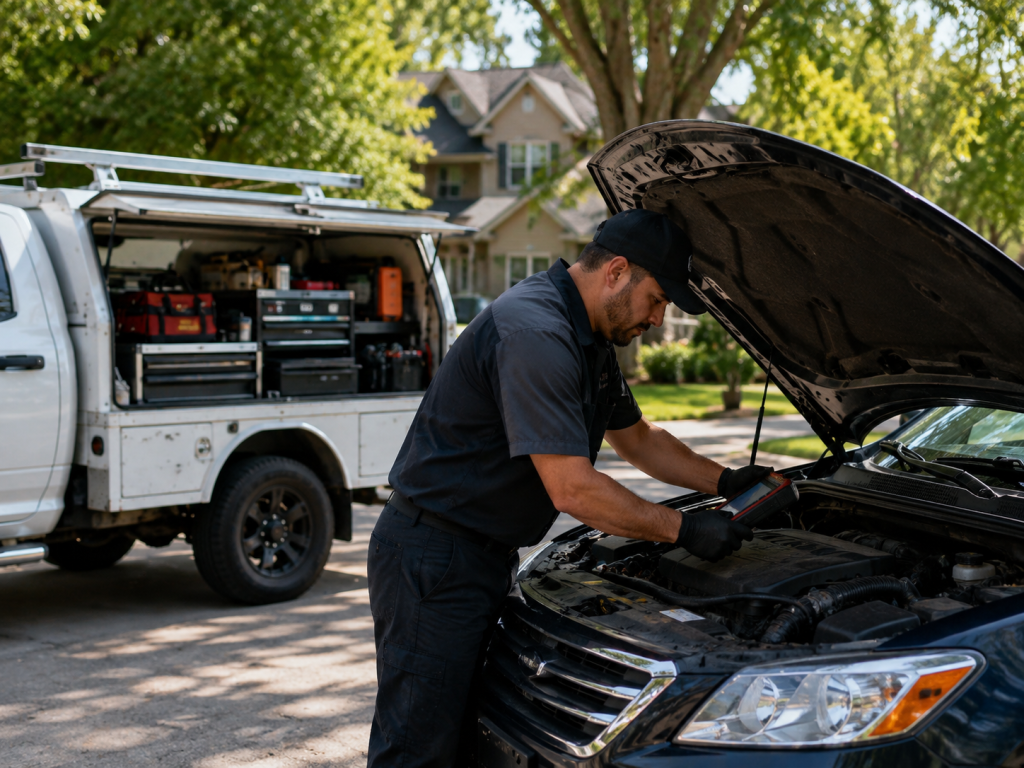
Given how these two separate stresses, humidity and highway mileage, affect different systems throughout a vehicle, having a technician come directly to your home or workplace anywhere in the Memphis area offers a real advantage. A mobile mechanic can inspect undercarriage components, electrical connections, tires, and fluids together in one visit, addressing the full range of wear this environment and driving pattern causes rather than treating each concern separately.
We covered the broader benefits of this approach in our article on why mobile mechanics are better than traditional auto shops in Memphis, which explains how convenience and local familiarity come together, particularly useful for the kind of comprehensive maintenance Memphis’s climate and interstate driving genuinely require.
Stay Ahead Of Both Sides Of Memphis’s Driving Reality
Humidity and highway mileage are both simply part of life in Memphis, and while neither can be avoided, staying ahead of how they combine against your vehicle is well within your control. Catching corrosion related wear alongside mileage dependent maintenance can add years to the life of components that would otherwise wear out well before their time here.
If it has been a while since your vehicle had a thorough inspection, visit our homepage to learn more about our services, or reach out through our contact us page to schedule a visit wherever your vehicle happens to be in the Memphis area.
A little proactive care now goes a long way toward keeping your car dependable despite everything Memphis’s humidity, heat, and highways throw at it throughout the year.